Stay up to date with the latest news
Subscribe to our telegram channel

Uzbekistan, BISU, Beijing International Studies University, digital tourism, artificial intelligence, smart tourism data system, Big Data, tourism analytics, tourism infrastructure, China Uzbekistan cooperation
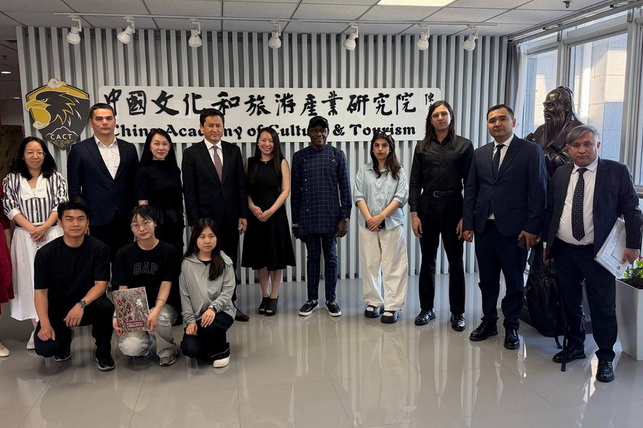
Tashkent, Uzbekistan (UzDaily.com) — Chairman of the Tourism Committee of the Republic of Uzbekistan, Abdulaziz Akkulov, held talks with representatives of Beijing International Studies University (BISU), one of China’s leading international research and educational institutions in the fields of tourism, foreign languages, and cultural communications.
BISU is considered one of the key analytical centers of China’s Ministry of Culture and Tourism. The university’s School of Tourism and Culture actively participates in the development of strategic solutions and digital approaches to tourism management.
During the talks, the Uzbek side was introduced to the Smart Tourism Data System, a digital platform based on artificial intelligence and Big Data technologies. The system enables real-time analysis of tourism market conditions, monitoring of tourist flows, infrastructure occupancy levels, and behavioral patterns of travelers.
Chinese specialists provided a detailed overview of the system’s data processing mechanisms, analytical tools, and forecasting capabilities based on machine learning models.
Special attention was given to the prospects of developing a similar high-tech platform for Uzbekistan’s tourism sector. The sides discussed technical parameters of the project, as well as the integration of data from online booking systems, hospitality services, transport infrastructure, and mobile applications.
Cybersecurity, personal data protection, and regulatory frameworks for cooperation with the private sector in implementing digital solutions were also discussed.
It was noted that the use of AI algorithms and Big Data analytics would allow for more effective forecasting of domestic and international tourist flows, assessment of tourist satisfaction levels, and improvement of tourism management systems and infrastructure safety.
Following the meeting, both sides agreed to continue cooperation on knowledge exchange, preparation of technical requirements, and further development of the digital tourism project.