Stay up to date with the latest news
Subscribe to our telegram channel

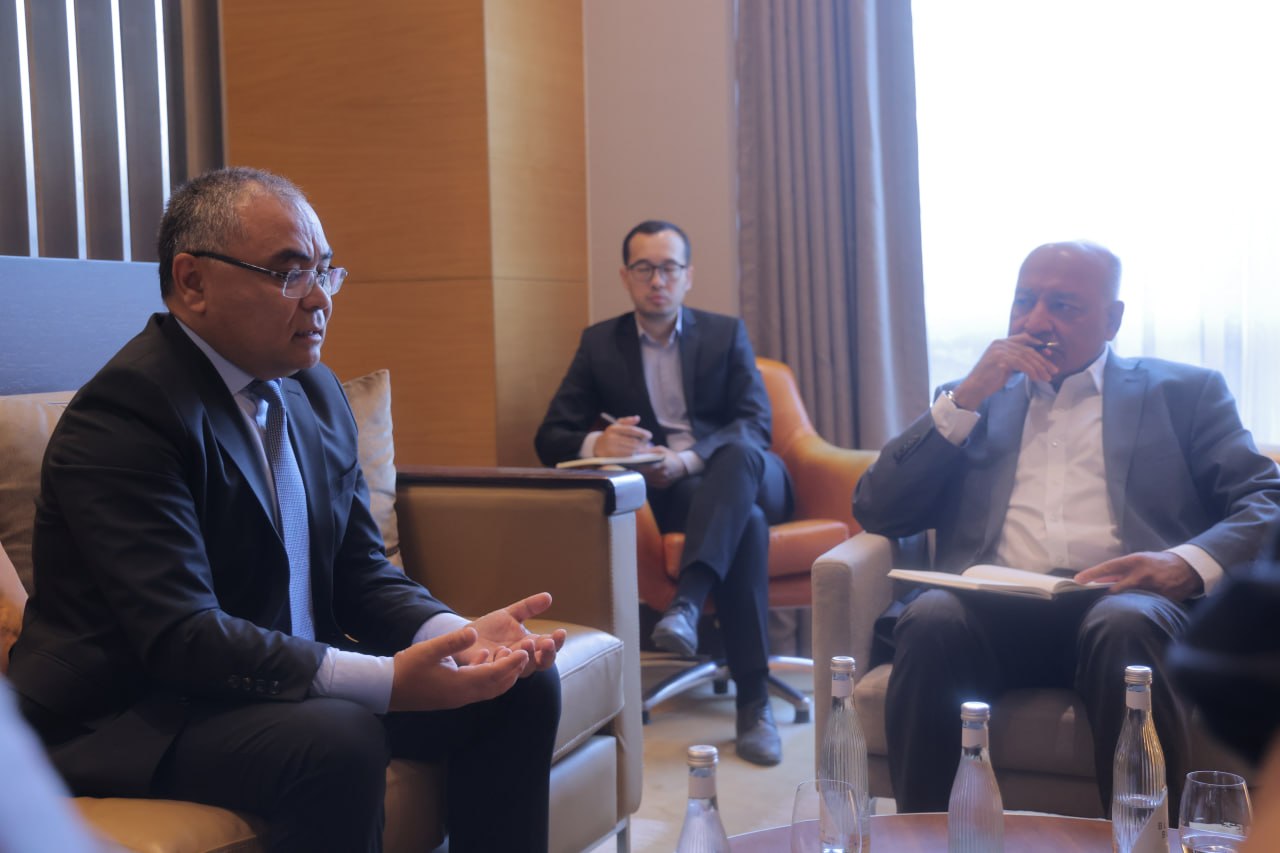
Uzbekistan Targets AI Farming, Genomics in Agri Modernization Push
Tashkent, Uzbekistan (UzDaily.com) — Minister of Agriculture Ibrokhim Abdurakhmonov held a working meeting June 12 with Suma Chakrabarti, Advisor to the President on Economic Development, Effective Governance and International Cooperation, to map out a strategic modernization agenda for Uzbekistan's agro-industrial complex.
The talks covered four interlocking reform tracks: biotechnology and genomics, livestock development, digital infrastructure, and human capital.
On the science front, both officials gave particular emphasis to developing domestic genomics capacity and applied biotechnology. Discussions centered on breeding programs to develop high-yield crop varieties engineered for climate resilience and disease resistance. To deliver those programs, the government plans to restructure the mandates of relevant research institutes, deepen their integration with agro-clusters and farming operations, and introduce transparent market mechanisms to commercialize new agricultural innovations.
Livestock received parallel attention, with talks covering improvements to selective breeding practices and the optimization of feed production systems.
The digital agenda was equally ambitious. Abdurakhmonov and Chakrabarti outlined steps to implement end-to-end digital field monitoring systems and integrate Uzbekistan's currently fragmented sectoral databases into a unified architecture. AI-based tools for yield forecasting and agricultural risk management were identified as priority applications — technologies that could substantially reduce the exposure of Uzbekistan's farming sector to the climate volatility increasingly affecting Central Asia.
Recognizing that technology without trained operators stalls, the two officials approved a human capital roadmap calling for the modernization of agricultural higher education, greater student involvement in applied research, and expanded partnerships with leading international academic institutions.
Concrete agreements on launching new joint initiatives were recorded at the close of the meeting, though specific programs and timelines were not publicly disclosed.