Stay up to date with the latest news
Subscribe to our telegram channel

Uzbekistan Bets $30B on AI to Transform Mining Sector
Tashkent, Uzbekistan (UzDaily.com) — Uzbekistan Orders AI Overhaul of Mining Industry, Eyes $30 Billion in Investment by 2030
President Shavkat Mirziyev has directed Uzbekistan's mining and geology sector to undergo a full-scale digital transformation driven by artificial intelligence — a push backed by a $30 billion investment target and projections that could reshape one of the country's most critical industries.
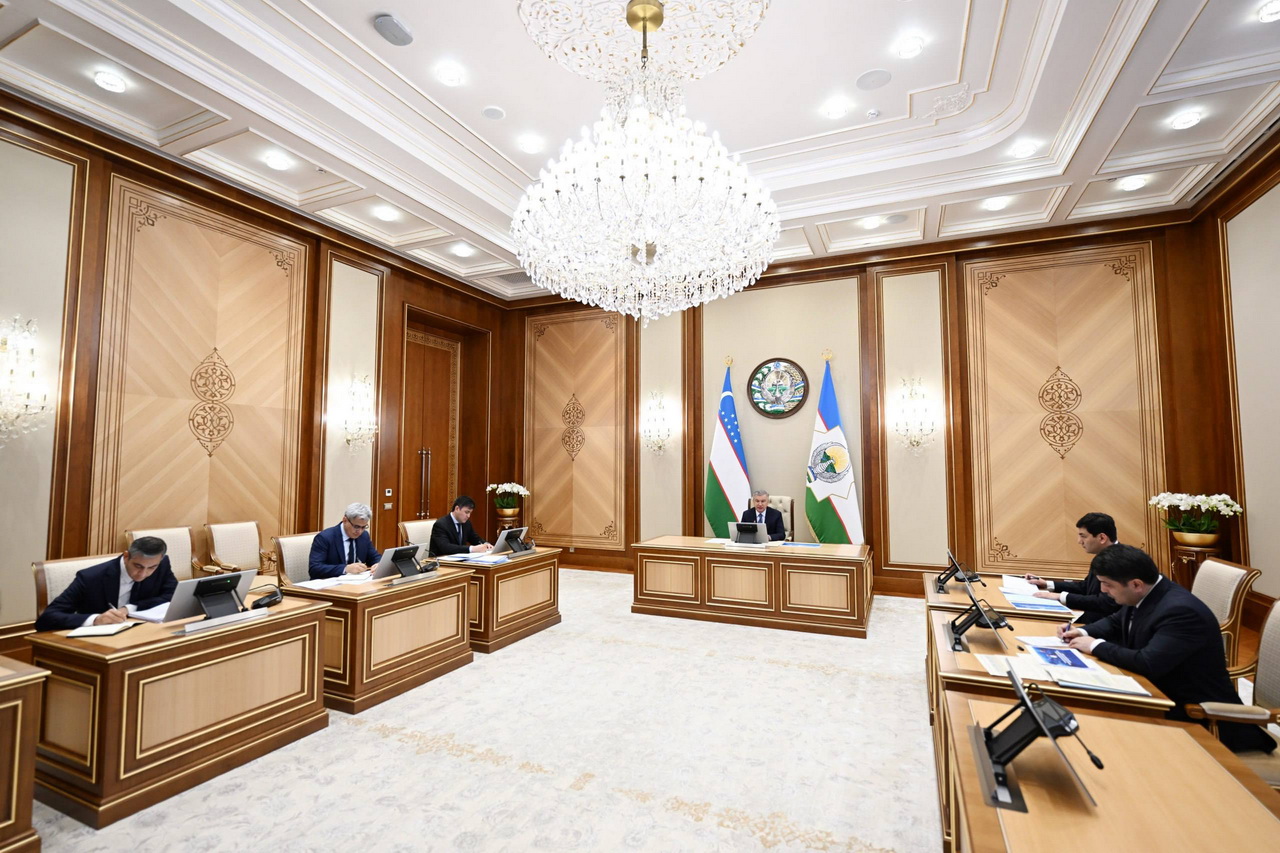
Mirziyev reviewed a detailed presentation on deploying AI and digital technologies across the entire mining and geological exploration chain, from data analysis and deposit forecasting to drilling optimization and corporate governance. The session underscored the strategic weight of the sector: in 2025, mining enterprises accounted for 20 percent of the country's total industrial output and delivered 118.5 trillion soums to the national budget.
The case for transformation is already being made by early results. In 2025 alone, large enterprises in the sector reduced operational costs by 7.3 trillion soums and cut production costs by 9.1 percent through digital initiatives. The "Geomonitoring" information system has been deployed, and data on more than 2,000 deposits has been converted to digital formats.
Mirziyev called for the creation of an integrated AI-driven management and production analytics platform — one that consolidates cartographic materials, geological survey data, drilling results, laboratory findings, and operational metrics into a single system. According to projections presented at the session, this approach could reduce production costs by a further 10 percent, cut the time required to discover new deposits in half, and quadruple the volume of investment proposals generated.
Reserve growth targets are equally ambitious. Over the next five years, the plan calls for adding 879 tonnes of gold reserves, 510 tonnes of silver, and 676,000 tonnes of copper — all supported by AI applications deployed at every stage of geological exploration.
To anchor the $30 billion investment drive through 2030, authorities proposed establishing a National Geological Data Center built to international investor standards. The initiative will include a Technology Transformation Center and the digitization of more than 36,000 geological reports and primary source materials — a step expected to double the speed and quality of deposit modeling and reserve calculation.
The implementation roadmap covers 44 digital and AI projects across six major state enterprises between 2026 and 2030: Navoi Mining and Metallurgical Combinat, Almalyk Mining and Metallurgical Combinat, Navoiuran, Uzmetkombinat, Uzbekugol, and the Uzbek Technological Metals Combinat.
Projected outcomes across the six enterprises include a 7 percent gain in operational efficiency, a 20 percent improvement in equipment reliability, an 8 percent boost in energy efficiency, and a 15 percent reduction in human-error-related risks.
Mirziyev tasked relevant ministries with embedding AI and technology adoption programs into enterprise business plans as a mandatory planning requirement — signaling that digital transformation in the sector is no longer optional, but a matter of state policy.