Stay up to date with the latest news
Subscribe to our telegram channel

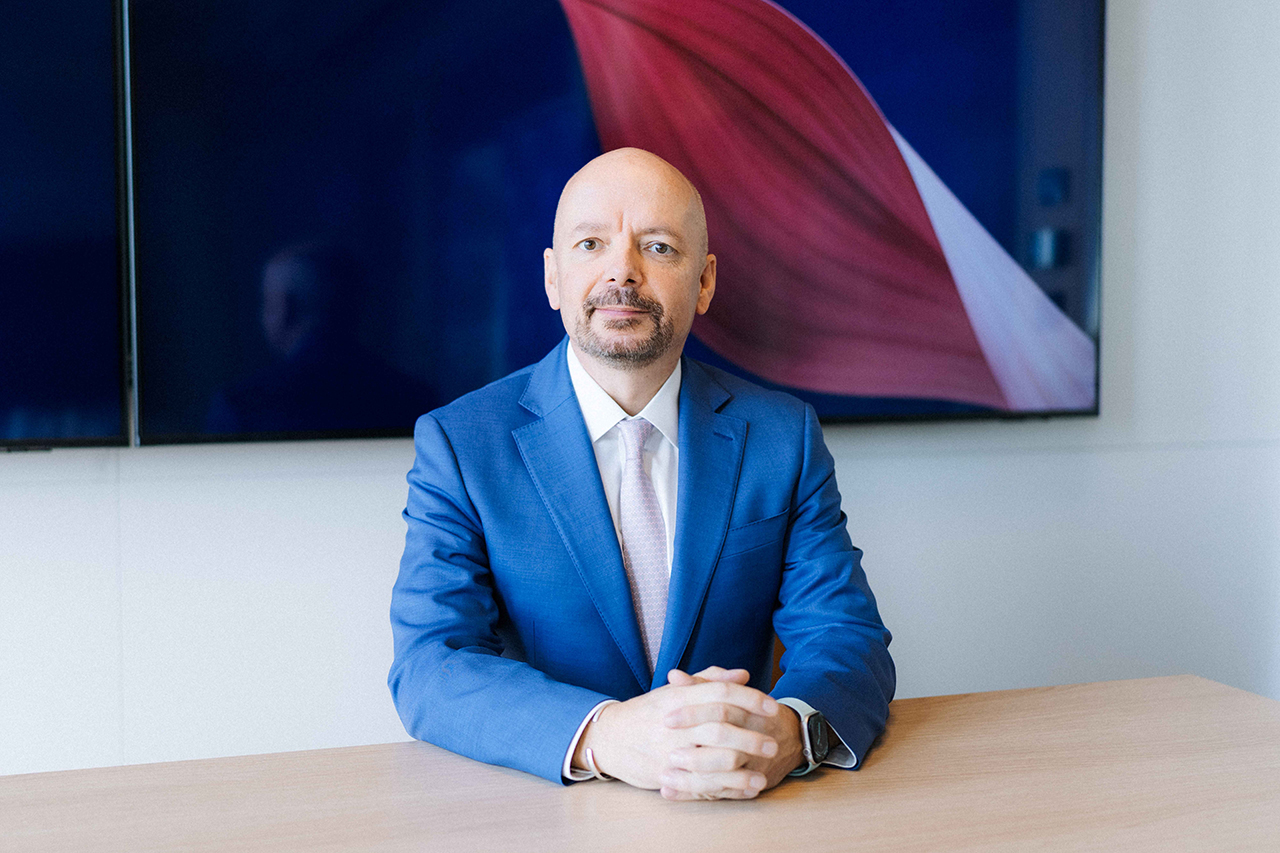
IFC Regional Manager for Uzbekistan and Turkmenistan Neil McKain / Photo: IFC
Tashkent, Uzbekistan (UzDaily.com) —The International Finance Corporation has made a US$10 million commitment to Highland Capital Fund II in Uzbekistan, signaling growing institutional confidence in a private equity market that remains nascent but is drawing increasing attention from regional and international investors, IFC Regional Manager for Uzbekistan and Turkmenistan Neil McKain said in an exclusive interview with UzDaily.
What exactly are private equity funds and why are they important?
Private equity (PE) funds pool capital from investors to finance companies and help them grow, modernize, and scale. In emerging markets like Uzbekistan, where capital markets are shallow and financing is constrained, PE funds can bring patient, long‑term capital alongside expertise. They help companies grow, create jobs, and raise productivity that debt alone would not be able to support. For IFC, PE funds are a key tool to mobilize private capital, support SMEs, and strengthen local value chains.
How would you describe the current state of the venture capital and private equity market in Uzbekistan?
Uzbekistan’s private equity market is still in its early stage, but it is showing encouraging momentum. While activity is still developing, interest from regional and international investors steadily increasing. Most current private equity activity takes the form of strategic investments in established companies that are expanding, restructuring, or modernizing.
Uzbekistan already has over ten venture capital (VC) funds, mostly state-backed, which reflects a strong foundation for future market development. While the ecosystem is still maturing and has yet to attract international funds at scale, this also points to significant room for growth. No local PE and VC fund has yet completed a full investment cycle, highlighting the opportunity to further strengthen the enabling environment. Investors and fund managers are typically drawn to jurisdictions that offer flexible fund structures, clear regulations, and strong investor protections—areas where Uzbekistan is now actively advancing.
In response, IFC is supporting the development of a new Law on Alternative Investment Funds to strengthen the foundation for private equity, venture capital, and angel investing. The law would set registration and oversight rules for funds and fund managers, introduce specialized investment vehicles and quasi-equity instruments, allow a variable-capital LLC structure, and align tax treatment with international standards. Together, these steps would help position Uzbekistan as an increasingly attractive destination for both domestic and foreign private capital.
Across Central Asia, where venture capital and private equity hold strong growth potential, IFC aims to strengthen the regional ecosystem by improving the quality of startups, building the capacity of ecosystem players, and forging links with international networks to expand the pipeline of investable startups and attract more investment.
We are actively engaged with the governments of Kazakhstan, Kyrgyz Republic, Uzbekistan and Tajikistan in technical support to adopt enabling regulations for Alternative Investment, thus creating opportunities for venture capital and private equity to develop.
What are the main challenges facing private equity market development in Uzbekistan?
The ecosystem faces a few structural constraints. First, the governance of private equity and venture capital policies is spread across several ministries and agencies—with overlapping and sometimes competing initiatives. Second, there is a skills gap among founders in preparing for and scaling with investment. Third, there is a financing gap between early-stage and growth capital, with an unclear pathway between seed-stage financing and larger rounds. This is compounded by underdeveloped legislative frameworks for managing funds and financial instruments, making it harder to attract foreign capital or mobilize local private investors.
Uzbekistan’s entrepreneurial community still has limited links to international investor networks, accelerators, and global platforms—connections that could greatly expand growth opportunities.
Looking ahead, what do you see as the biggest opportunities for Uzbekistan’s startup and private equity ecosystem?
Uzbekistan is entering a very exciting phase for entrepreneurship and investment. Several opportunities stand out. First, the country’s digital and IT sector is projected to account for around 10% of the economy by 2030, creating strong demand for innovative solutions across industries. This transformation opens the door for both local and international investors to back tech-driven businesses. Second, there is huge potential to attract more international venture capital funds. Uzbekistan has already seen promising deal-by-deal investments from firms like Sturgeon Capital and Quest Ventures. Expanding this presence will bring global practices, new market insights, and valuable international connections to founders—helping them scale beyond national borders.
Third, there’s an opportunity to incentivize startups to scale more efficiently—from improving business structures to focusing on operational excellence—so they can handle rapid growth. Fourth, enhancing both soft and hard skills among founders will accelerate success. This means better access to technical training, marketing expertise, and investor relations know-how.
Fifth, launching a dedicated program for female founders can unlock untapped talent and diversify the ecosystem, contributing to more inclusive growth. Finally, continuing improvements in the legal framework—for venture capital, crowdfunding, and fund management—will make Uzbekistan more attractive to foreign investors and strengthen confidence among local entrepreneurs. Together, these opportunities can transform Uzbekistan into a regional innovation hub, attracting talent, capital, and ideas from across Central Asia and beyond.
How much do private equity funds get involved in the operational management of a business?
PE funds do not run day-to-day operations. They act as strategic partners, providing capital, governance, and expertise, while management teams continue to operate the business. Funds are interested in a strong management team that continues to develop the business. They act as partners, helping the company grow and enter new markets, while leaving day-to-day operations in the hands of the founders.
How does IFC support the growth of private equity funds and their portfolio companies in Uzbekistan?
IFC supports private equity through investment, advisory, and market development. We invest in private equity funds that have strong local knowledge combined with international best practices—helping them raise anchor capital that builds credibility with other investors. IFC is one of the largest and longest standing investors in emerging market PE and VC funds, with a track record of backing first time and frontier market fund managers. IFC’s current fund has $7.9 billion commitments to over 410 private equity funds, venture capital funds, seed funds, accelerator funds and MSME funds.
Our recent US$10 million investment in Highland Capital Fund II in Uzbekistan will support 10–15 SMEs operating in sectors such as healthcare, pharmaceuticals, food and beverage, hotels and restaurants, non-food FMCG products, services, construction materials, real estate, logistics, and retail. Highland Capital’s debut fund, Highland Private Equity and Mezzanine Fund in the Kyrgyz Republic, was established in 2018 with IFC’s support of $8 million and invested $21 million in 12 companies, creating more than 900 jobs in the country.
We have also supported regional venture capital, including IFC’s first VC investment in Central Asia, Sturgeon Capital, a venture capital fund focusing on Central Asia.
For IFC, investing in PE funds is about scaling impact—mobilizing private capital to drive jobs, growth, and sustainable development in frontier markets.