Stay up to date with the latest news
Subscribe to our telegram channel

Uzbekistan Construction Oversight Reform Cuts Bureaucracy
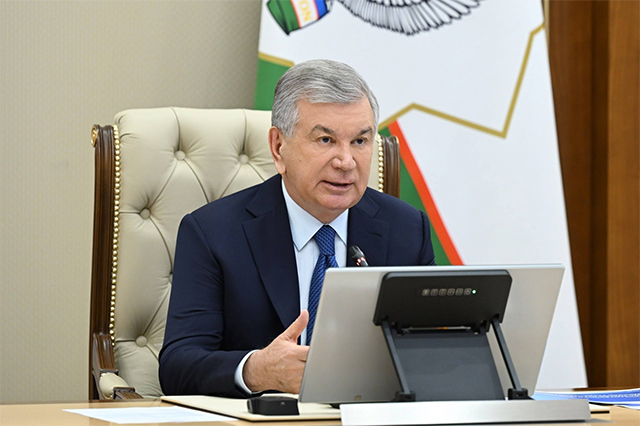
Tashkent, Uzbekistan (UzDaily.com) — President of Uzbekistan Shavkat Mirziyoyev reviewed and approved proposals aimed at reducing bureaucracy and improving oversight efficiency in the construction, housing and utilities sectors on 6 May, the presidential press service said.
The initiatives are designed to simplify permitting procedures, digitalize administrative processes, and reduce human involvement in decision-making. In particular, the proposals call for reducing the number of documents required to obtain a construction permit from eight to six, with two documents to be generated automatically through integrated electronic systems. Officials expect this to reduce application review times by up to seven times, compared with the current process that can take between three and 12 months.
The system for issuing design approvals and architectural planning assignments will be merged into a single document. This process is planned to be fully automated through the ShaffofAI system, eliminating human involvement and reducing processing times from 30 working days to a significantly shorter period.
Significant changes are also planned for the licensing system. At present, applicants are required to submit between three and 30 documents, and processing takes up to 14 working days. Under the new model, data will be automatically verified through electronic databases, removing the need for document submission. As a result, licensing may be issued in as little as five minutes, with the process shortened by up to 97 percent.
The acceptance procedure for completed construction projects will also be simplified. While rejected applications can currently cause delays of up to three months, the reform reduces the number of required documents for public projects to one and shortens acceptance timelines from two months to 15 days. The practice of rejecting projects in cases where modifications do not affect building safety will also be revised.
Digital monitoring will play a central role in the new system. In the first stage, surveillance cameras will be installed at social infrastructure sites, residential complexes, and major commercial and industrial projects valued at more than 3 billion Uzbek soums. This is expected to enable real-time detection of deviations from design documentation, monitor labor activity, and reduce the shadow economy.
Authorities also plan to strengthen technical and authorial supervision. According to data presented, specialists identified 42,000 deficiencies in 2025, while subsequent inspections found more than 250,000 additional violations. To improve oversight quality, a registry and rating system for supervisory organizations will be created on the Shaffof Qurilish platform, and all construction documentation will be transferred to digital format.
Additional measures will tighten control over construction materials. All supplied materials will be registered in an electronic system with mandatory submission of supporting documentation. Administrative liability is proposed for the use of substandard materials.
Mobile laboratories will be established to conduct testing at remote sites, expanding inspection coverage and speeding up results.
A separate set of measures targets illegal construction. As of April 1, 3,791 illegal construction sites had been identified nationwide, including 1,933 in industrial zones. To prevent violations, authorities propose introducing electronic notification systems for landowners, integrating relevant digital platforms, and strengthening penalties for construction without permits.
Oversight of apartment building management will also be strengthened. Inspection bodies are expected to gain authority to directly impose fines for unauthorized removal of load-bearing structures. The number of such cases rose from 563 in 2023 to 2,484 in 2025, according to the presentation.
Finally, the proposals include measures to improve workforce training. Educational programs in specialized universities will be expanded with participation from foreign institutions, alongside internship opportunities for specialists abroad.
The president stressed the importance of practical implementation of all proposals and, after hearing sector representatives, endorsed the initiatives and instructed responsible agencies to ensure their execution.