Stay up to date with the latest news
Subscribe to our telegram channel

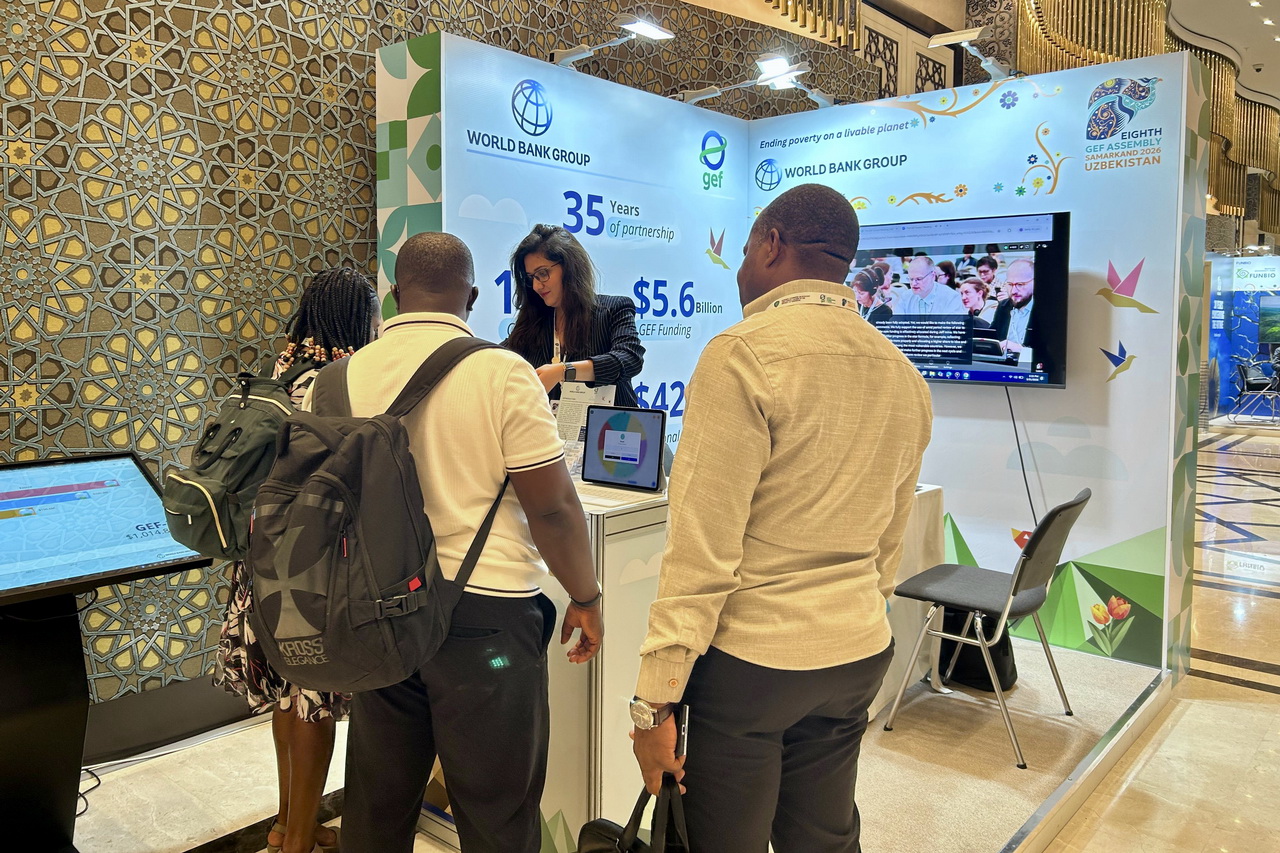
GEF and World Bank Mark 35 Years of Partnership
Tashkent, Uzbekistan (UzDaily.com) — For more than three decades, the Global Environment Facility (GEF) has remained one of the leading international financing mechanisms for environmental protection and sustainable development projects. Established with the participation of the World Bank Group (WBG), the United Nations Environment Programme (UNEP), and the United Nations Development Programme (UNDP), the fund plays a vital role in supporting developing countries in addressing global environmental challenges.
Over the years, the GEF has developed a unique model of international cooperation that brings together governments, international organizations, financial institutions, and the private sector to achieve environmental and socio-economic objectives.
Today, the fund supports projects focused on climate change mitigation, biodiversity conservation, sustainable management of land and water resources, the development of clean energy, and the strengthening of sustainable food systems.
One of the GEF’s largest partners remains the World Bank Group, which has channeled more than US$5.6 billion in GEF resources to projects across 146 countries worldwide. Through co-financing mechanisms, an additional US$42.8 billion in investments has been mobilized, demonstrating the effectiveness of the financial instruments employed.
A key feature of the partnership between the World Bank and the GEF is the use of blended finance mechanisms that help reduce investment risks, test innovative solutions, and create favorable conditions for attracting private capital to climate- and environment-related projects. This approach not only addresses environmental challenges but also contributes to job creation, income generation, and the resilience of local communities.
Under four integrated programs implemented under World Bank Group leadership, climate resilience, ecosystem conservation, food security, and sustainable urban development are addressed as interconnected elements of a single development strategy.
This integrated approach reflects current global trends, recognizing that environmental, economic, and social challenges cannot be addressed in isolation. For this reason, the GEF’s work is focused on delivering long-term results and supporting systemic transformation in partner countries.
The programs being implemented also help countries fulfill their commitments under major international agreements, including the Convention on Biological Diversity, the United Nations Framework Convention on Climate Change, the United Nations Convention to Combat Desertification, the Stockholm Convention on Persistent Organic Pollutants, the Minamata Convention on Mercury, and other international environmental agreements.
Today, the partnership between the GEF and the World Bank Group is widely regarded as one of the most successful examples of mobilizing international resources to advance sustainable development goals.
As climate and environmental challenges continue to intensify, the importance of such partnerships is growing, providing countries with access to financing, innovation, and best practices needed to build a more sustainable and environmentally secure future.